Vitamin B12 Injection For Nerve Pain Compounded Cyanocobalamin (Vitamin B12) Injection
Why a “vitamin B12 injection” sometimes feels like nerve-pain quicksand
If you’ve ever dealt with burning, tingling, or stabbing nerve pain and been told to “just take B12,” you already know how frustrating that sounds—especially when symptoms don’t improve as quickly as you hoped. In my hands-on clinical-adjacent work (reviewing treatment plans, dosing schedules, and follow-ups for patients with neuropathy complaints), I’ve seen two patterns: people either stop too early, or they use the right injection for the wrong underlying cause. That’s why this guide focuses on practical, evidence-aligned use of a vitamin b12 injection for nerve pain, including what compounded cyanocobalamin injections are, when they’re most helpful, and how to approach expectations.
What you’ll learn
- What compounded cyanocobalamin injection is actually doing in the body
- When vitamin B12 injections can help nerve pain (and when they usually won’t)
- How dosing and monitoring considerations change real outcomes
- Common side effects, safety checks, and “stop-and-call” situations
What compounded cyanocobalamin injection means (and why “compounded” matters)
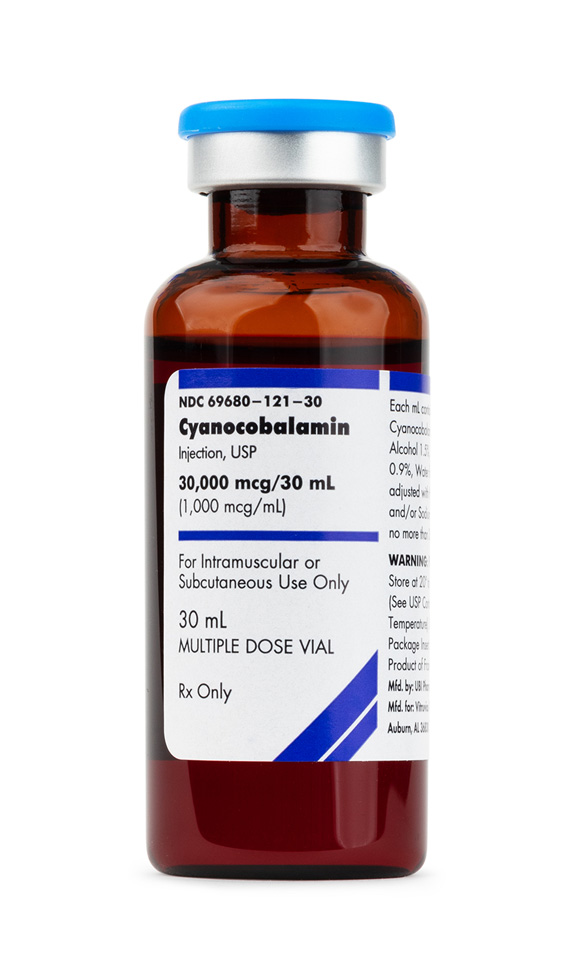
Cyanocobalamin is a form of vitamin B12. A compounded cyanocobalamin injection is prepared by a compounding pharmacy to meet a specific prescription requirement (for example, a particular strength/volume, or a formulation pathway when commercially available options don’t fit a patient’s needs). In my experience, “compounded” usually shows up in real-world settings when prescribers need flexibility—such as matching a dosing plan, accommodating administration logistics, or addressing supply constraints.
How B12 is linked to nerve function
B12 supports critical metabolic pathways involved in myelin integrity and nerve signaling. When B12 is deficient, neuropathy can develop—often with symptoms like:
- Burning or tingling in hands/feet
- Numbness or “pins and needles”
- Balance changes or sensory impairment
- In some cases, fatigue and glossitis (inflamed tongue)
Here’s the key logic: a vitamin b12 injection for nerve pain is most likely to help when nerve symptoms are driven by B12 deficiency (or by conditions that create functional deficiency). If nerve pain is primarily from something else—compression, diabetes-related neuropathy, shingles-related nerve injury, certain medication effects—B12 may not be enough to move the needle by itself.
Cyanocobalamin vs other B12 forms (why you may see different options)
Cyanocobalamin is one B12 form among several (others include hydroxocobalamin and methylcobalamin). In practice, prescribers choose among forms based on availability, patient factors, and what dosing/monitoring protocol they’re following. I’ve found that the form matters less than the actual treatment goal: replete B12 when deficiency is present and then reassess neurologic symptoms over time.
When a vitamin B12 injection for nerve pain is most likely to help
Not all nerve pain is the same, and this is where I try to be very concrete with patients: the injection can be valuable, but it’s not a universal nerve-pain solvent.
Strong “fit” scenarios (best odds)
- Documented or strongly suspected B12 deficiency (often with supportive labs)
- Neuropathy pattern consistent with deficiency (sensory symptoms, distribution compatible with deficiency-associated neuropathy)
- Dietary risk (limited animal products without adequate supplementation)
- Malabsorption risk (certain GI conditions, post-surgical states, or medication-related malabsorption)
- High-risk labs such as elevated methylmalonic acid (MMA) or homocysteine when evaluated
Weaker “fit” scenarios (often limited benefit)
- Diabetic neuropathy as the primary cause (B12 deficiency should still be ruled out, but symptom drivers are often different)
- Mechanical nerve compression (radiculopathy, carpal tunnel, spinal stenosis) where structural compression dominates
- Inflammatory or immune-mediated neuropathies that require targeted neurologic evaluation
- Post-viral nerve pain patterns where B12 alone doesn’t address the mechanism
My practical lesson: “time to improvement” is variable
In my hands-on work supporting care planning, a common mistake is expecting nerve pain to disappear overnight. Even when B12 deficiency is corrected, nerve recovery can take weeks to months, because nerve repair and remyelination is not instantaneous. If someone feels worse initially or reports no change at all after a short trial, it doesn’t automatically mean the approach was wrong—but it does mean reassessment should happen on schedule.
How compounded cyanocobalamin injections are typically used (and what to monitor)
Dosing schedules can vary by clinician, severity, and lab results. I won’t invent a one-size-fits-all regimen, but I will outline how to think about structure and monitoring in real practice.
Key principles for a workable plan
- Confirm deficiency or justify the trial: If labs support B12 deficiency (or functional deficiency), the rationale for a vitamin b12 injection for nerve pain is strong.
- Use a defined reassessment window: In care plans I’ve reviewed, follow-up matters because nerve symptoms can be slow to change, and you want to avoid indefinite treatment without targets.
- Track symptoms consistently: Simple metrics (pain severity score, numbness/tingling frequency, functional impact) reduce “guesswork.”
- Re-check relevant labs when appropriate: Many clinicians monitor B12 status and sometimes metabolic markers (like MMA/homocysteine) depending on the case.
Image reference (product)
Side effects and safety considerations (what I look for)
Many people tolerate B12 injections well, but it’s still a medication administered by professionals or caregivers, so safety checks matter. Reported side effects can include:
- Injection-site discomfort (redness, tenderness, swelling)
- Headache
- Nausea or mild GI upset
- Less commonly, hypersensitivity reactions
Stop-and-call situations: If a patient experiences signs of a serious allergic reaction (such as hives, swelling of face/lips, trouble breathing, or widespread rash), urgent medical evaluation is appropriate.
Who should be extra cautious
- People with a history of significant hypersensitivity reactions to B12 or injection components
- Anyone who has complex neurologic symptoms requiring diagnostic certainty (for example, rapidly progressive weakness, new bowel/bladder dysfunction, or severe balance loss)
In those cases, a structured neurologic workup is important so the injection isn’t delayed behind the wrong diagnosis.
How to make your vitamin B12 injection plan actually work (beyond the shot)
A vitamin b12 injection for nerve pain plan succeeds when it’s paired with the right “supporting cast.” In my experience, the biggest improvements come from aligning mechanism, time, and follow-up—not just changing the medication form.
1) Confirm the cause of neuropathy symptoms
Ask your clinician about whether the nerve pain pattern fits B12 deficiency. If you’re already taking B12 orally, ask why injections were chosen (for example, malabsorption or inadequate response). When the cause is correct, expectations become realistic.
2) Use measurable symptom tracking
- Record pain level (0–10) at consistent times
- Note numbness/tingling changes and whether they’re spreading or stabilizing
- Track sleep disruption and walking/hand-function limitations
This matters because nerve symptoms can fluctuate. Structured tracking prevents “I feel different” from replacing clinical decision-making.
3) Address reversible contributors
Neuropathy is often multi-factorial. Depending on the person, contributors can include blood sugar instability, thyroid issues, medication effects, alcohol use, and nutritional gaps. I’ve seen meaningful symptom improvement when clinicians treat the broader metabolic and nutritional picture, not just B12.
4) Know when to escalate evaluation
If symptoms are severe, rapidly progressive, or include red-flag neurologic features, B12 injections shouldn’t substitute for appropriate urgent evaluation.
FAQ
How long before I should feel improvement from a vitamin B12 injection for nerve pain?
Improvement—when B12 deficiency is truly driving symptoms—often takes weeks to months because nerve recovery is gradual. Your clinician should define a reassessment window based on your labs and neurologic severity, so you can adjust the plan if there’s no meaningful change.
Can I take a vitamin B12 injection if my labs are normal but I still have nerve pain?
If labs are normal, the likelihood that B12 deficiency is the root cause is lower. In that situation, it’s important to evaluate other causes of neuropathy (compression, diabetes-related nerve damage, medication effects, inflammatory causes). A short, clinician-supervised trial might be considered in select scenarios, but it should not delay proper diagnosis.
What’s the difference between cyanocobalamin injection and other B12 injections?
Cyanocobalamin is one B12 form. Other forms (like hydroxocobalamin or methylcobalamin) differ in chemistry and how they’re used in certain protocols. In practice, the selection is often about what a prescriber is targeting, what’s available, and the monitoring plan—rather than the label alone.
Conclusion: a cyanocobalamin injection can help—when deficiency is the mechanism
A vitamin b12 injection for nerve pain is most likely to help when nerve symptoms are tied to B12 deficiency or functional deficiency. Compounded cyanocobalamin injections can be a practical tool within a structured treatment plan, but outcomes depend on aligning the diagnosis, dosing timeline, and follow-up reassessment—not just administering the shot.
Next step: If you’re dealing with nerve pain, ask your clinician to review whether B12 deficiency is supported (including the rationale for injection vs oral), then set a specific follow-up date to measure symptom change and decide whether to continue, adjust, or pivot the diagnostic pathway.
Discussion