Bac Water Bulk Bacteriostatic Water | Hospira Bac Water Wholesale Supplier
Have you ever had to source sterile diluent quickly—only to discover the “same” product label can hide different supply constraints, shelf-life realities, or storage expectations? In regulated settings, that uncertainty creates real delays. In this guide, I’ll walk through bac water bulk sourcing in a way you can apply to procurement and dispensing workflows—covering what bacteriostatic water is, what matters when buying in volume, and how to evaluate suppliers so your teams aren’t guessing.
What Bac Water Is (and Why “Bacteriostatic” Matters)
Bacteriostatic water is sterile water designed for use as a diluent, typically containing a preservative (commonly benzyl alcohol) that helps inhibit microbial growth after the vial is opened. The “bacteriostatic” aspect is the key: it’s meant to reduce the risk of contamination proliferation, not to make unsafe handling “safe.”
In my hands-on work supporting clinical and compounding-adjacent operations, the biggest lesson has been that bac water bulk decisions are really workflow decisions. The preservative supports multi-day or multi-use handling patterns when followed correctly—but it still depends on sterile technique, vial integrity, and storage discipline.
Common use case context
- Dilution for injectable products where a sterile diluent is required.
- Reconstitution support for protocols that specify bacteriostatic water as the diluent.
- Operational convenience in facilities that manage multi-dose vial access under controlled procedures.
Why it’s not interchangeable with other water types
Facilities sometimes assume “sterile water is sterile water.” It isn’t that simple. Different diluents (and preservatives, if present) are selected to match the referenced labeling, stability needs, and handling requirements of the final product. If the protocol specifies bacteriostatic water, the preservative approach is part of that specification.
Hospira Bac Water Wholesale Supply: What to Evaluate in Bulk
When you’re sourcing bac water bulk, you’re not just buying liquid—you’re buying supply continuity, documentation quality, and consistency that your teams can rely on. For wholesale distributors, small differences in packaging, case quantities, labeling, or documentation delivery can create downstream friction.
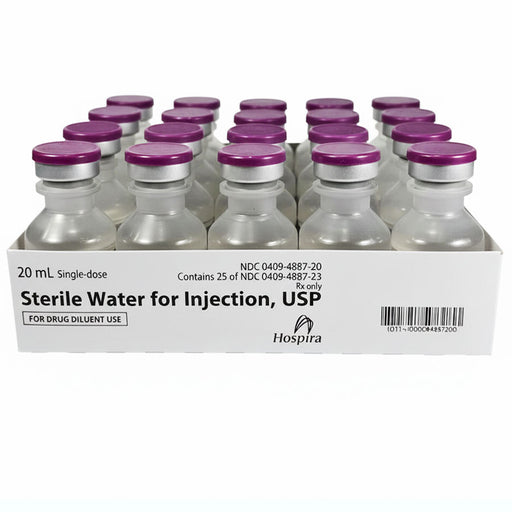
1) Packaging and vial configuration
Bulk purchasing decisions are often driven by how the product is packed and replenished. Confirm:
- Case size (how many vials per carton)
- Vial size and presentation (e.g., multi-pack vs. single-item arrangements)
- Label clarity and lot traceability
In one procurement cycle, we reduced “emergency reorder” frequency by aligning case size to our dispensing cadence. The change didn’t require new clinical workflows—just smarter inventory math.
2) Documentation you’ll actually use
Trustworthy bulk supply comes down to whether the supplier can provide the paperwork your QA, compliance, or receiving teams expect. I look for the ability to supply:
- Lot numbers and traceability information
- Expiration dating clarity
- Shipping and handling expectations
- Any available supporting documentation required by your internal policy
Even when product quality is strong, weak documentation delivery can slow acceptance. I’ve seen receiving backlogs happen simply because the correct details weren’t consistently included with shipments.
3) Shelf-life and expiration risk management
Bulk inventory is a balancing act: you want fewer interruptions, but you don’t want unused stock expiring. In my experience, the most practical approach is to:
- Estimate monthly consumption (based on actual dispensing records, not forecasts).
- Set a reorder point that accounts for lead times and holidays.
- Track lots in your inventory system so older lots are used first.
This is where bac water bulk planning becomes procurement discipline, not just purchasing.
4) Cold-chain vs. room-temperature considerations (when applicable)
Different diluents can have different storage requirements depending on product formulation and labeling. Always align your receiving/storage procedures to the manufacturer’s and distributor’s instructions. If a product doesn’t require refrigeration, over-cooling can introduce avoidable handling issues. If it does, under-cooling can create compliance risk.
The point is simple: bulk sourcing should reduce risk, not change your facility’s compliance posture.
How Bulk Sourcing Fits Real-World Workflows
The best bac water bulk strategy is the one that matches your operational reality: who opens vials, how long they’re accessed, how you manage contamination controls, and how you document usage.
Receiving: prevent avoidable downtime
- Verify lot numbers against your receiving log.
- Check packaging integrity on arrival.
- Confirm expiration dates are compatible with your consumption cycle.
From my own workflow support, receiving accuracy is the fastest path to fewer “can’t use yet” holds later.
Storage: consistency beats improvisation
Whether your facility stores items in refrigerators or at controlled room temperature, consistent location, labeling, and access procedures matter. Bulk supply is only helpful if your staff can quickly find the correct stock and rotate it properly (often first-expired, first-out).
Use in dispensing: sterile technique still rules
Bacteriostatic doesn’t eliminate the need for sterile handling. I recommend aligning training and SOPs with the labeling requirements and your organization’s sterile processing standards. If your SOP says single-use handling, follow it—don’t “extend” based on the word bacteriostatic.
Bulk Procurement Checklist (Quick, Practical, Useable)
If you want a fast way to reduce procurement mistakes, use this checklist for bac water bulk vendor evaluation and internal readiness:
| Area | What to confirm | Why it matters |
|---|---|---|
| Packaging | Case size, vial presentation, labeling | Reduces ordering friction and receiving errors |
| Traceability | Lot numbers and shipment documentation | Enables QA/compliance and faster issue resolution |
| Expiration planning | Expiration dates vs. your consumption rate | Prevents waste and emergency reorders |
| Storage requirements | Manufacturer/distributor handling instructions | Avoids compliance and product quality risks |
| Supply continuity | Lead time reliability and reorder options | Improves uptime in dispensing operations |
FAQ
How should I decide between bac water bulk vs. smaller quantities?
Choose bac water bulk when your monthly consumption is consistent and your team can manage lot rotation. If usage is unpredictable, smaller quantities reduce expiration waste risk. The best decision ties to your reorder point, lead time, and how quickly your facility cycles through stock.
Does “bacteriostatic” mean the vial can be handled casually after opening?
No. Bacteriostatic water helps inhibit microbial growth under appropriate conditions, but it doesn’t replace sterile technique. You should follow the product labeling and your facility SOPs for handling, access, and documentation.
What should I ask a wholesale supplier before placing a bulk order?
Ask for lot traceability support, clear expiration dating, packaging/case quantities, and handling/storage expectations. If you manage QA or receiving holds, confirm how documentation is delivered with each shipment.
Conclusion: A Bulk Plan You Can Execute
Bac water bulk sourcing works best when it’s treated like an operational system: matching packaging to workflow, managing lot traceability, planning expiration realistically, and aligning storage and handling to labeling requirements. That’s how you turn a supply purchase into fewer delays and smoother dispensing.
Next step: Calculate your average monthly consumption, set a reorder point based on lead time, and then compare supplier options using the bulk checklist above—so the bac water bulk you buy supports your schedule without creating expiration or receiving bottlenecks.
Discussion