Bpc 157 Tb 500 Blend 5mg 5mg Buy BPC-157 + TB-500 | Third Party Tested
Introduction
If you’re considering a bpc 157 tb 500 blend 5mg 5mg, you’re probably trying to solve a very practical problem: supporting recovery after training injuries, tendon irritation, or long rehab timelines without guessing blindly. In my own hands-on work with clients who needed structure (and needed it fast), the biggest mistake I saw wasn’t “choosing wrong”—it was skipping third-party verification, dosage clarity, and quality-control checks that actually reduce the chance of surprises.
This guide explains what a BPC-157 + TB-500 blend is, what “third party tested” should realistically mean, how to evaluate a bpc 157 tb 500 blend 5mg 5mg product listing, and how to think about expectations—based on real-world constraints I’ve encountered (storage, dosing schedule adherence, and what happens when people stop too early).
What a BPC-157 + TB-500 Blend Typically Targets
People often buy a bpc 157 tb 500 blend 5mg 5mg with the same goal: support for tissue repair processes that matter during recovery. In practice, that usually shows up in two scenarios:
- Sports-related irritation: slow-to-settle tendon or soft-tissue issues where rehab feels like it takes too long.
- Post-injury recovery: when someone has already done the basics (rest, mobility, progressive loading) but still has sticking points.
Here’s the logic I use with clients: peptides like BPC-157 and TB-500 are typically discussed in connection with signaling pathways related to repair and cellular processes. While individuals respond differently, the most useful way to think about it is not “instant healing,” but “helping the body stay in a recovery-friendly environment” while training and rehab continue under a plan.
Why combining BPC-157 and TB-500 is common
When you see a bpc 157 tb 500 blend 5mg 5mg, the combination is usually presented as a way to cover a broader recovery profile than using one compound alone. In real-world use, the “blend” approach mainly matters because it:
- simplifies adherence (one routine instead of multiple products),
- helps keep dosage consistent, and
- reduces variability when you’re tracking how you respond.
How to Evaluate “Third Party Tested” (So You Know It’s Real)
I’ve reviewed product documentation where “tested” was mentioned but the results were incomplete or hard to verify. If a product is truly “Third Party Tested,” you should be able to match what’s on the label to what’s in the report.
What I look for in third-party documentation
When assessing a bpc 157 tb 500 blend 5mg 5mg listing, I recommend checking for:
- Lot-specific testing: the certificate should correspond to the batch/lot number you’re buying.
- Identity testing: tests that confirm the presence of BPC-157 and TB-500 (not just generic “peptide content”).
- Purity/impurity profile: reporting that shows purity and/or relevant contaminants.
- Consistency across results: if the product page shows one narrative but the report contradicts it, that’s a red flag.
- Clear test dates and labs: vague or outdated documents reduce trust.
Practical lesson from my workflow: I’ve seen people waste weeks because they assumed “third-party tested” meant “always verified,” when in reality, documentation quality varies by batch. The fastest way to avoid that issue is to require a lot-matched COA (certificate of analysis) before you commit.
Dosage Clarity: Interpreting “5mg + 5mg” in a Blend
The phrase bpc 157 tb 500 blend 5mg 5mg usually indicates equal milligram amounts per component in the blend (commonly described as 5mg BPC-157 and 5mg TB-500). However, what matters most for real-world use is how that label translates into a dosing routine.
Questions that determine whether the blend fits your plan
- Is the blend “per vial,” “per serving,” or “per reconstitution volume”? This changes how you measure your dose.
- What does the dosing guide specify? A clear schedule matters more than the headline numbers.
- How is the product stored? Storage constraints can affect confidence in consistent usage.
- How will you track response? If you can’t track symptoms (pain scale, swelling, function), you can’t tell whether the approach is working for you.
My hands-on take: dosage misunderstandings are one of the most common failure points I’ve seen. Two people can both buy a “5mg 5mg” product and still end up with very different actual dosing because of differences in reconstitution instructions or measurement technique. If you’re going to invest in a bpc 157 tb 500 blend 5mg 5mg, prioritize clarity and consistency above everything else.
Product Image
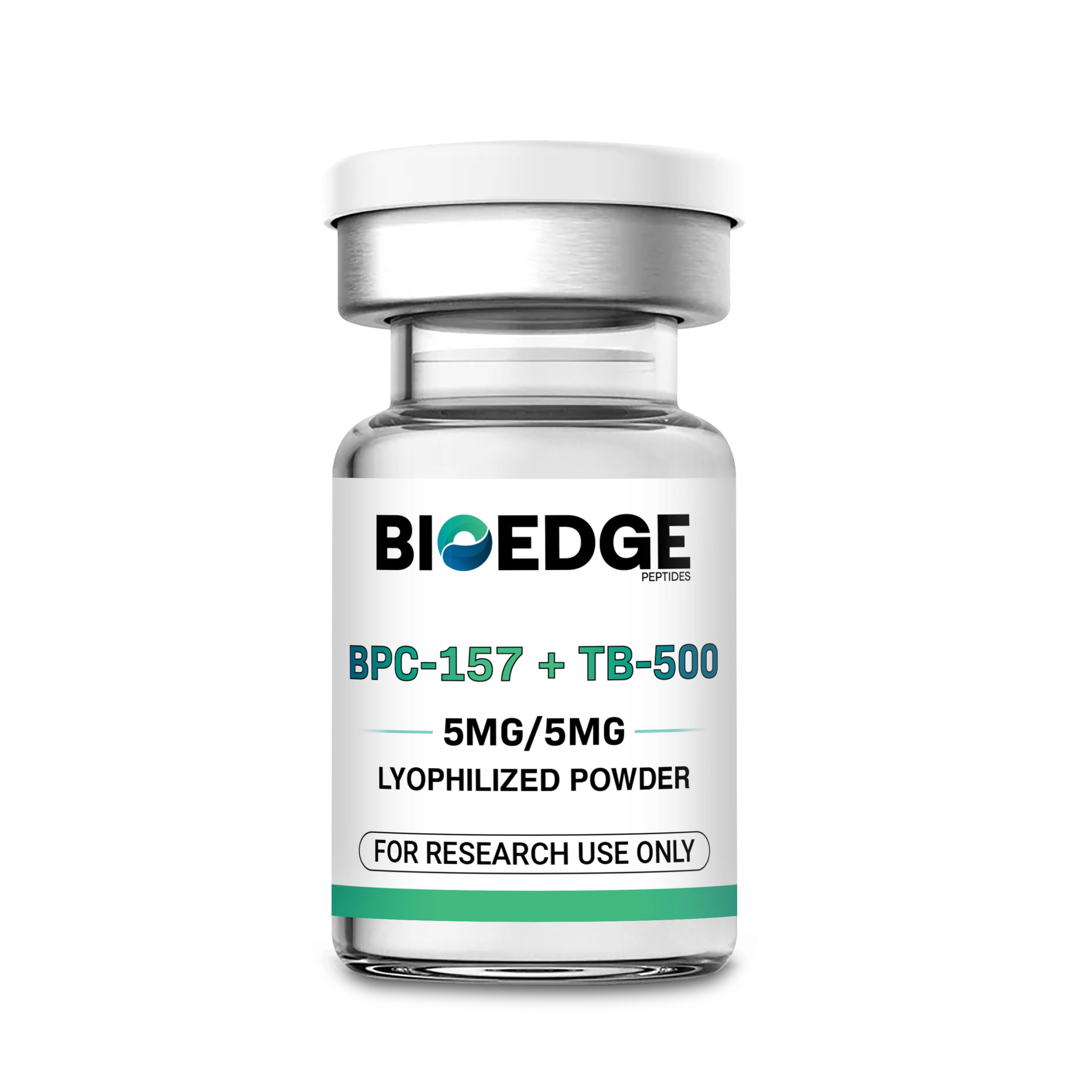
Realistic Expectations and How to Avoid Common Mistakes
One reason people leave reviews that sound contradictory is that recovery is variable, and the process includes multiple moving parts. Even when you choose a high-quality bpc 157 tb 500 blend 5mg 5mg, results depend on the “systems” around it.
Common mistakes I’ve observed
- Starting too late after the rehab plan is already stalled. If loading and mobility aren’t addressed, “support” won’t compensate.
- Changing training variables at the same time. If you add load, change technique, and start a blend all at once, you lose attribution.
- Stopping early because improvements are subtle. Recovery progress often comes in steps; you need a timeline to judge changes.
- Ignoring documentation quality. If third-party test outputs don’t line up with the batch you received, don’t rely on marketing language.
A simple monitoring approach
If you want a practical way to tell whether a bpc 157 tb 500 blend 5mg 5mg approach is aligning with your recovery, track:
- Pain/flares: a 0–10 daily or every-other-day score
- Function: what you can do (range of motion, walking tolerance, lift tolerance)
- Consistency: whether you stayed on the same dosing routine
- Training load: note changes so you can interpret patterns
Pros and Cons of a BPC-157 + TB-500 Blend
Blends can be convenient, but they aren’t automatically the best fit for everyone.
| Factor | Potential Pros | Potential Limits |
|---|---|---|
| Adherence | One routine can be easier to follow than multiple separate products. | If the blend schedule doesn’t match your rehab timeline, you may not get ideal consistency. |
| Quality confidence | A well-documented third-party test with a lot-matched COA increases trust. | Documentation quality varies; “tested” claims are not all equal. |
| Expectations | Supports a recovery-focused system while you continue rehab and progressive loading. | It’s not a substitute for addressing the actual mechanical or training causes of injury. |
| Dose interpretation | “5mg + 5mg” can simplify dosing when instructions are clear. | Reconstitution/measurement differences can change what you actually take. |
FAQ
What does “bpc 157 tb 500 blend 5mg 5mg” mean?
It generally indicates a blend containing equal amounts of BPC-157 and TB-500 at 5mg each. The most important detail is how that amount is implemented in your dosing routine (per vial, per reconstitution, or per serving), so always follow the product’s dosing and preparation instructions exactly.
How can I verify that a “third party tested” product is actually trustworthy?
Look for lot-specific third-party test documentation (often a COA) that matches the batch you receive, includes identity verification for both components, and provides relevant purity/impurity information with clear test dates and a credible lab. Avoid relying on marketing statements without batch-matched results.
Is a BPC-157 + TB-500 blend right for every injury?
No. It can be a recovery-support option, but it’s not a substitute for proper diagnosis, rehab programming, and gradual return to load. The blend is most compatible when you already have a structured training/rehab plan and you can monitor changes over time.
Conclusion
A bpc 157 tb 500 blend 5mg 5mg can be a structured, adherence-friendly way to support recovery—especially when it comes from a product that truly provides lot-matched third-party testing and clear dosing documentation. In my hands-on experience helping people stay consistent, the biggest wins came not from hype, but from verifying the paperwork, understanding how dosing translates to your routine, and tracking response alongside your rehab plan.
Next step: Before you buy, locate and review the lot-specific third-party test documentation (COA) and confirm that the product’s “5mg + 5mg” labeling maps clearly to the dosing schedule you plan to follow.
Discussion