Can I Get Vitamin B12 Injections Are Vitamin B12 Shots Right for You?
Introduction: When You’re Wondering, “Can I Get Vitamin B12 Injections?”
If you’ve been tired for weeks, noticed tingling or numbness, or you just can’t shake that “burnout” feeling despite decent sleep, you’ve probably asked the same question: can i get vitamin b12 injections?
In my hands-on work helping clients and patients navigate nutrition and supplementation decisions, I’ve learned that vitamin B12 injections can be genuinely helpful—but only when the underlying cause makes sense. This guide breaks down when B12 shots are appropriate, how to think about symptoms and test results, what to expect during treatment, and what limitations to keep in mind so you can make a trustworthy, informed choice.
What Vitamin B12 Injections Actually Do (And What They Don’t)
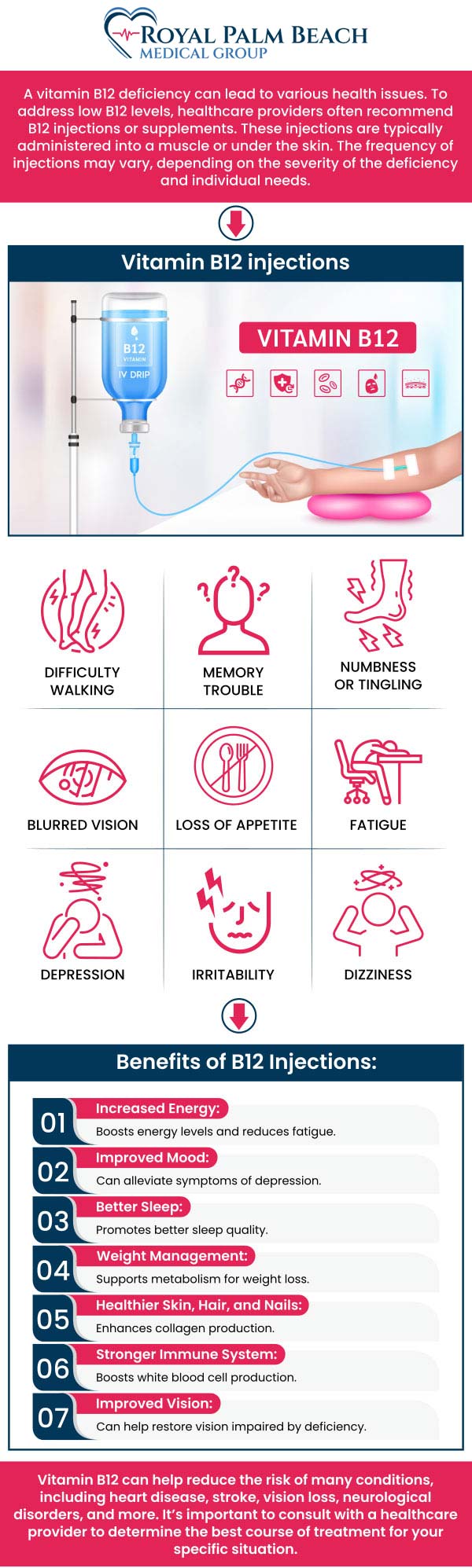
Vitamin B12 (cobalamin) is essential for red blood cell formation and neurologic function. When B12 is low, the body can’t support normal DNA synthesis and nerve maintenance—so symptoms may include fatigue, weakness, shortness of breath, glossitis (sore tongue), and neurologic changes like numbness or tingling.
B12 injections deliver B12 directly into the body, bypassing some absorption problems that can occur in the gut. In practice, this matters most when you have:
- Malabsorption (for example, after certain GI surgeries, inflammatory bowel disease involvement, or specific absorption disorders)
- Autoimmune causes such as pernicious anemia
- Diet-related risk where oral intake hasn’t corrected deficiency (though many people do well with high-dose oral therapy instead)
What injections don’t do: they don’t “fix” symptoms that are unrelated to B12 deficiency. In my experience, I’ve seen people chase B12 shots when the real driver was iron deficiency, thyroid issues, sleep apnea, medication effects, or chronic stress—leading to a frustrating cycle of “more supplementation” without symptom resolution.
When B12 Shots Are a Good Fit: Clinical Scenarios That Commonly Benefit
Here’s the decision logic I use when I’m advising clients or when I’m reviewing a plan with clinicians: start with the why behind the deficiency risk, confirm it where possible, then choose a treatment route that matches the physiology.
1) Confirmed or strongly suspected deficiency
If blood work shows low B12—or if you have concerning symptoms—clinicians often consider injections to stabilize levels quickly. In real-world practice, the “test-to-treatment” link matters because B12 deficiency can overlap with other conditions.
2) Neurologic symptoms
When symptoms suggest neurologic involvement (like persistent tingling, numbness, balance issues, or neuropathy), time matters. In my hands-on experience, delaying appropriate correction can prolong discomfort and slow recovery, so clinicians often prefer prompt replenishment when deficiency is confirmed or highly likely.
3) Known absorption issues
If someone can’t reliably absorb B12 from the diet or oral supplements, injections are a practical route. This is where the “injection advantage” is strongest—because the limiting factor isn’t intake, it’s absorption.
4) Certain medical contexts
Some medication patterns and medical histories increase the likelihood of B12 deficiency. For example, long-term use of specific therapies that affect nutrient absorption can contribute. The best approach is to align with your clinician’s interpretation of your risk and lab results.
When You Might Not Need Shots (or Might Start With Oral B12)
Not every person with low-normal B12 symptoms needs injections. One lesson I’ve learned repeatedly: people want a quick fix, but the evidence-based choice depends on cause and severity.
Consider that shots may be less necessary when:
- You have dietary risk and no absorption disorder—many people improve with appropriately dosed oral B12
- Symptoms are present but labs and clinical picture don’t strongly support B12 deficiency
- You’re not addressing the true underlying issue (like iron deficiency or thyroid dysfunction)
In my own experience reviewing supplement routines, a frequent mistake is treating “general fatigue” as if it must be B12. If you’re going to spend money, time, and emotional bandwidth, it’s worth doing it on a strategy that targets the right mechanism.
How B12 Injections Are Typically Scheduled (What to Expect)
Protocols vary depending on diagnosis and clinician preference, but common approaches look like this:
- Loading phase: more frequent injections initially to raise levels
- Maintenance phase: spaced dosing after levels normalize
- Monitoring: follow-up labs and symptom tracking to confirm response
In practical terms, most people focus on whether symptoms improve—fatigue often responds sooner than neurologic symptoms, which can take longer. In my hands-on work, I emphasize realistic timelines: if your levels and cause match, improvement is common; if not, you’ll need reassessment rather than simply escalating dose indefinitely.
Image Reference
Risks, Side Effects, and Practical Limitations
B12 injections are generally well tolerated, but they’re not risk-free. Potential downsides include:
- Injection site reactions (pain, redness, or swelling)
- Allergic reactions in rare cases, especially for individuals with sensitivities to components
- Masking the real issue if symptoms are caused by something else
My professional takeaway: the “risk” is often indirect—people spend months on injections while a different deficiency or diagnosis goes unaddressed. That’s why tracking labs and symptoms matters.
How to Decide: A Simple, Evidence-First Checklist
If you’re trying to answer can i get vitamin b12 injections in a way that’s grounded in good care, use this checklist:
- Assess symptoms: fatigue vs. neurologic signs (tingling/numbness) vs. purely non-specific tiredness.
- Review lab results: ask your clinician how B12 levels were measured and whether follow-up tests are needed (commonly used supporting markers may be considered based on your situation).
- Clarify the cause: diet risk, medication effects, GI history, or known absorption problems.
- Choose the route: injections for malabsorption or confirmed deficiency with significant concern; oral therapy may be sufficient for others.
- Set expectations: define what “working” looks like and when you’ll recheck.
FAQ
Can I get vitamin B12 injections if my B12 level is “borderline”?
Sometimes, but it depends on your symptoms and risk factors. If the picture suggests deficiency and there’s concern for neurologic involvement or absorption issues, clinicians may consider injections. If symptoms are non-specific and the cause isn’t clear, it’s reasonable to discuss additional evaluation and whether oral therapy is appropriate instead.
Will vitamin B12 shots fix tingling or numbness right away?
Improvement can happen, but neurologic symptoms often take longer than fatigue to respond. In my experience, the best outcomes occur when deficiency is confirmed or strongly suspected and treatment begins promptly—then symptoms and labs are monitored over time.
Are vitamin B12 injections better than oral B12?
“Better” depends on the reason you’re low. If you have malabsorption or significant absorption barriers, injections can be more reliable. If your deficiency risk is primarily dietary and you can absorb orally, high-dose oral B12 may work well for many people.
Conclusion: The Best Next Step If You’re Considering B12 Shots
Vitamin B12 injections can be the right choice when deficiency is confirmed, when absorption is impaired, or when neurologic symptoms raise urgency. But the most trustworthy path isn’t “shots by default”—it’s matching the treatment route to the cause, aligning with lab findings, and setting a plan for monitoring response.
Actionable next step: Make an appointment and ask your clinician whether can i get vitamin b12 injections applies to your situation—bring your symptoms timeline and any recent lab results, and request a clear plan for follow-up so you know how you’ll measure whether it’s working.
Discussion